
RV Water Heater & Aqua-Hot System Repair in Chino, CA
We're experts in RV hot water repair in Chino, CA. Hot water is the part of an RV that owners notice the moment it stops working, and "no hot water" can mean two completely different repairs depending on the coach.
Most travel trailers and Class C motorhomes use a standard RV water heater (Suburban, Atwood, Dometic) running on propane, electricity, or both.
Larger diesel pushers and high-end coaches use an Aqua-Hot hydronic system that heats the coach interior and the domestic hot water from a single diesel-and-electric boiler.
McBride's RV Service and Paint in Chino is a factory-authorized service center for Aqua-Hot, services every standard RV water heater, and has handled both for Inland Empire owners since 1967.
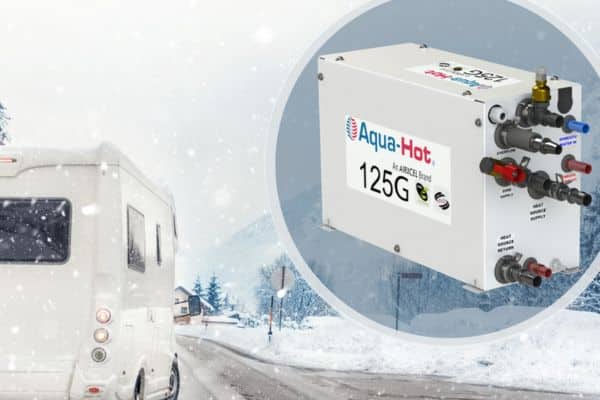
Standard RV water heater or Aqua-Hot? Why it matters first
The two systems look the same to the user (a tap that does or does not run hot) and fail in completely different ways. A standard RV water heater holds six, ten, or sixteen gallons in an insulated tank, ignites a propane burner with a spark igniter or runs a 120-volt electric element, and protects the steel or aluminum tank with a sacrificial anode rod. An Aqua-Hot is not a tank at all; it is a small diesel-and-electric boiler that heats a closed loop of antifreeze, and that loop runs through heat exchangers to make domestic hot water on demand and to heat the cabin through baseboard registers. Two completely different repair manuals. Tell us which one is on your coach and we tell you what likely failed.
Why is there no hot water in my RV?
On a standard RV water heater, no hot water tracks back to four places.
No flame on propane is the gas valve, the thermocouple, the igniter, or a tripped overtemp; we test the spark, the gas pressure, and the limit switch in order.
Element does not heat on electric is the element itself or the thermostat, and a popped reset on the back is the first thing we check.
Tank fills but never gets hot with the burner running is a failed gas valve, a sediment-buried element, or a control board.
No water in the tank at all is the by-pass valve left in the winterize position, or air-locked lines.
On an Aqua-Hot, the same complaint splits differently.
Diesel side will not light is a fouled burner nozzle, a clogged fuel filter, or wet primary on the ignition transformer; weeks of short cycles in winter leave a soot ring on the burner that the unit hates.
Coolant loop low can be a slow leak at a fitting or a heat-exchanger weep, and the boiler runs but the cabin and the hot water both stop responding.
Electric element only on shore power is the standard 1,650-watt element or the 120-volt thermostat, repair-not-replace work. We diagnose either system before condemning anything expensive.

Why does Inland Empire hard water shorten the life of a standard RV water heater?
Chino, Chino Hills, and Ontario draw mineral-heavy groundwater, and that is the single biggest reason a six-gallon RV water heater that lasted a decade on the coast fails in five seasons here. Hard water scales the inside of the tank, packs the bottom with sediment that buries the electric element and shortens its life, and eats the sacrificial anode rod faster than the schedule the owner's manual was written for. Two things prevent it. The anode rod is supposed to be inspected every season and replaced when it is half gone, not after it is consumed; we pull it, show it to you, and put a new one in if it is past the line. And flushing the tank with a wand or the dedicated drain port clears the sediment that the anode could not catch.
Skip the anode rod for three years in Inland Empire water and the tank itself starts to corrode, which is a tank replacement, not a service. Aqua-Hot is sealed and does not have this failure mode; its enemy is the diesel burner side.
Do you winterize and sanitize the hot-water side too?
Yes. The Aqua-Hot boiler runs antifreeze year-round and protects itself, but the domestic hot-water heat exchanger is just lines, and those freeze the same as any other RV plumbing on a cold trip. A standard RV water heater needs the tank drained and the by-pass valve set, or the hot side blown out, before the rig sees a real cold night. Even when Chino stays mild, owners who run the 15 up the Cajon Pass or the 18 toward Big Bear are parking in real freezing temperatures overnight, and a forgotten water heater is the most common winterize miss we see in this market. We also sanitize the hot side at the start of camping season with the cold side, because a tank that sat half full in summer heat is the most common source of the "tastes off" complaint owners blame on cold water.
Should you repair or replace an RV water heater?

A standard six- or ten-gallon water heater is usually a repair: anode rod, element, thermostat, gas valve, thermocouple, by-pass valve, T&P safety valve.
Full replacement is the call when the tank itself has corroded through, which is the end of the road for a heater that went years without an anode rod, or when an old gas-only unit needs an upgrade to a gas-electric or tankless model.
On an Aqua-Hot, the answer is almost always a repair, because the system is built to be serviced module by module: burner, nozzle, fuel filter, igniter coil, element, control board, heat exchangers, pumps, and antifreeze are all serviceable parts.
A whole-system Aqua-Hot replacement is rare and reserved for catastrophic loss; in our experience that is a question that does not come up often.
What happens when you bring your RV in for water heater work?
We confirm which system is on your coach (most owners know, but Aqua-Hots and standard heaters can both hide behind a similar exterior door), test it on every fuel and power source it uses, and run a real diagnostic before anyone talks about replacement. You get a written estimate that names the parts and the labor first. Our estimates include a budget for parts, and the final price adjusts to the actual parts your unit turns out to need once it is open, so you approve the number before any work starts. We service the unit, bring it up to temperature on each input it has, and confirm the cabin or the tap holds hot before the rig leaves. Before any work begins, we walk you out and show you what we found.
The McBride's difference
Family-owned since 1967, McBride's is a factory-authorized service center for Aqua-Hot and a full-service RV shop. We work the water heater alongside the cabin air conditioning, the generator, and the chassis (which matters for Aqua-Hot, because the diesel side reads the same fuel and the same battery house as the genset and the engine). Cold-side plumbing, fresh and grey and black tanks, and the 12-volt water pump live on our RV plumbing and water system page. And we show you the problem before we fix it.
Frequently Asked Questions
How much does RV water heater repair cost?
An anode rod, a thermocouple, an element, or a gas valve is the affordable and most common repair; a tank replacement on a corroded standard water heater, or a major Aqua-Hot diesel-side service, is the high end. Every estimate names a parts budget that adjusts to the actual parts the unit needs, and nothing is done until you approve the number.
How often should I change the anode rod on my RV water heater?
Inspect it every season. In Inland Empire water it usually needs replacement every one to two years, not the longer interval owner's manuals written for soft coastal water suggest. McBride's pulls the rod, shows it to you, and puts in a new one if it is half gone or worse.
My RV burner will not light but the electric element heats. What is wrong?
The burner side is propane on a standard heater or diesel on an Aqua-Hot, and they fail differently. On the standard unit it is usually the gas valve, the thermocouple, the spark igniter, or a tripped overtemp limit. On Aqua-Hot it is usually a fouled burner nozzle, a clogged fuel filter, or wet primary on the ignition transformer. We test each path before replacing parts.
Can you service Aqua-Hot systems?
Yes. McBride's is a factory-authorized service center for Aqua-Hot and services the diesel burner side, the coolant loop, the heat exchangers, the electric element, the pumps, and the control board on the same coach.
Do you flush and sanitize the RV water heater?
Yes. Flushing the tank to clear hard-water sediment is part of standard service in Inland Empire water, and we sanitize the hot side at the start of camping season along with the cold side so the "tastes off" complaint owners blame on the cold side stops at the tank.
Should I upgrade my old propane water heater to a gas-electric or tankless model?
Often a worthwhile move. A gas-electric heater lets you run on shore power and save propane, and a tankless system removes the anode-rod problem entirely. We lay out the install cost and the long-run difference so the choice makes sense for the rig.
Hear From Our Satisfied Customers


They are always professional, courteous and they have resolved any and every issue I had.







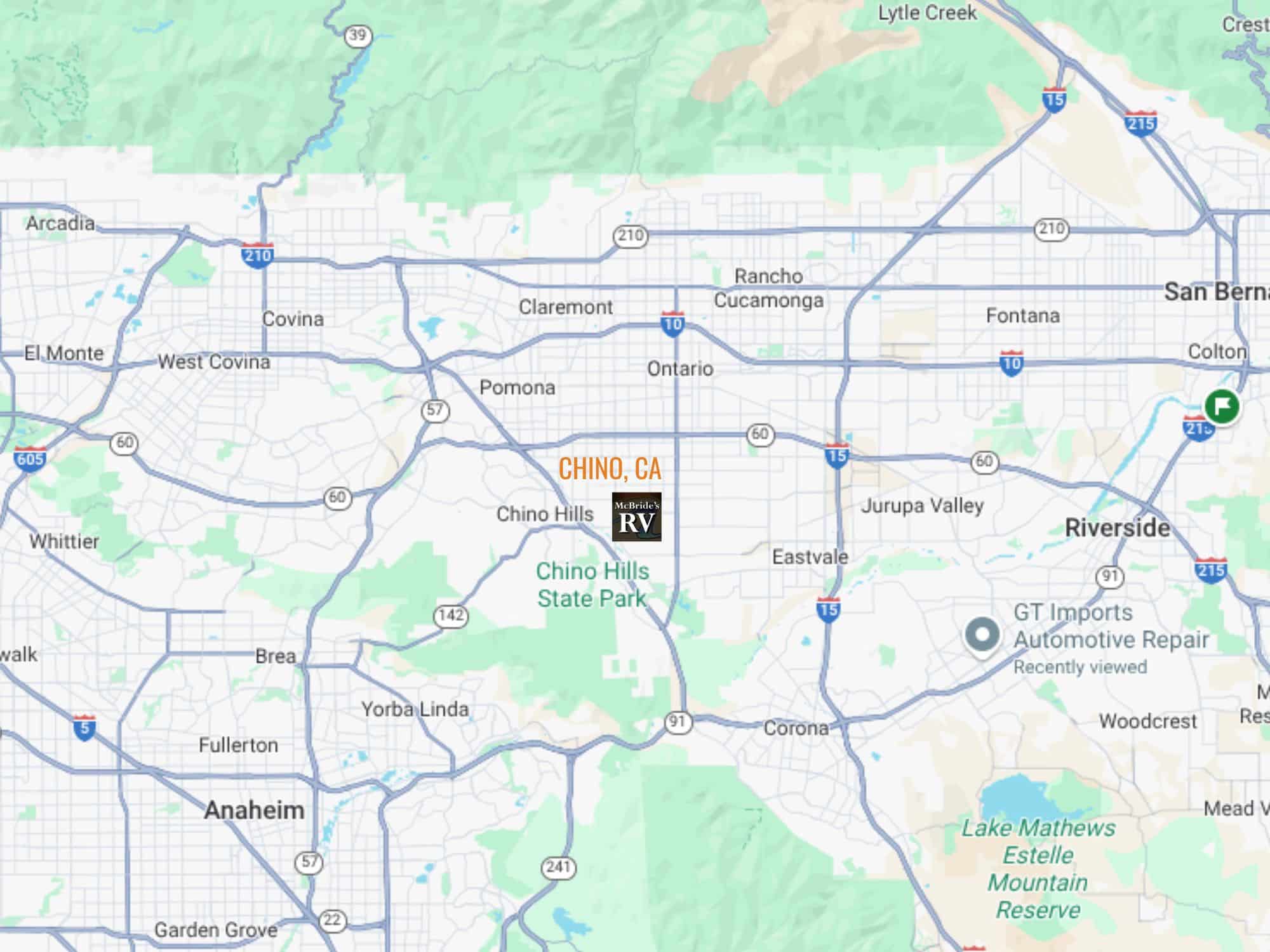
Our service areas
- Norco
- Corona
- Rancho Cucamonga
- Pomona
- Walnut
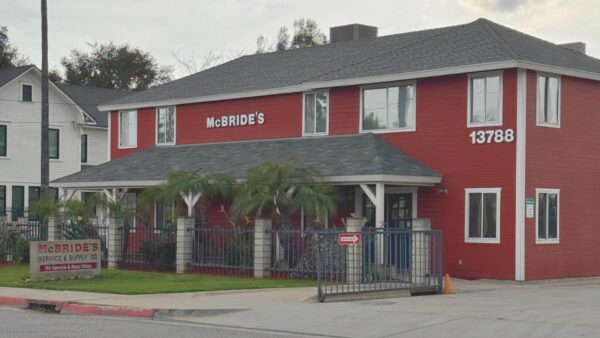
Schedule your RV water heater or Aqua-Hot service
Call (909) 627-7566 or request an appointment online. We are located at 13788 Oaks Ave in Chino and serve RV owners across the Inland Empire.