
RV Air Conditioning Repair in Chino, CA
Proper RV air conditioning repair in Chino can help prevent uncomformfortable living conditions. On a 105-degree Chino afternoon the unit may be running exactly as designed and still losing the fight, because a roof-mount RV A/C can only pull the cabin so far below the outside air. Before you replace a unit, the right shop figures out whether you are looking at a real fault or a hot day asking too much of a clean system.
McBride's RV Service and Paint in Chino is a factory-authorized service center for Dometic and Coleman, and we diagnose, service, and repair RV air conditioning on Inland Empire motorhomes and trailers. Family-owned since 1967
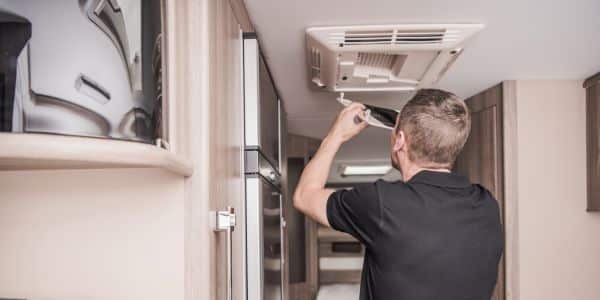
What kind of A/C system do you have, and why does it matter?
Most RV cabin cooling falls into three families and they fail differently.
Roof-mount units (Dometic Penguin and Brisk Air, Coleman Mach) bolt to a 14-inch roof opening and ship as a sealed system; the work happens at the shroud, the fan, the capacitor, and the controls.
Ducted roof-mount systems push that same cooling through a duct network and a thermostat, and the failure is as often a duct leak or a thermostat as the unit itself.
Basement A/C systems on bigger coaches live in a compartment, push air through ducts to ceiling registers, and demand basement-system-specific service. We name the system on your coach first because that decides what the next test even is.
Why is my RV air conditioner not blowing cold air?
This is the most common call, and it splits four ways.
No air at all points to the fan motor, the run capacitor, or the control board, not the cooling side.
Air but not cold points to a failed run capacitor on the compressor, a tripped overload, or a refrigerant loss in a unit that should be sealed for life (which on a roof-mount usually means the unit itself is at end of life).
Cold for a few minutes then warm, with ice visible on the evaporator coil, points to a frozen coil from low airflow (clogged filter, dirty evaporator, baffles missing in the ceiling assembly) or a thermistor reading wrong.
Cool air but the cabin never catches up on a hot day is the ambient ceiling problem: even a healthy 13,500 or 15,000 BTU rooftop can only pull about twenty degrees below the outside air, so a closed-up coach in 105-degree Chino heat with bright sun on the roof is asking the unit for cabin temperatures it physically cannot reach. We test all four paths before anyone pays for a new compressor.
Why does Inland Empire heat and dust hurt RV air conditioners faster than coastal climates?

Two local conditions put wear on your RV A/C unit. Each at a different rate of wear. The first is heat. Summers in Chino, Ontario, and Rancho Cucamonga run long stretches above the manufacturer rating, which loads the run capacitor every start cycle and bakes the rubber in the unit; the most common single failure we see on a unit in its tenth Inland Empire summer is the capacitor, not the compressor.
Second, the dust. The dairy-belt grit and valley dust that drift through Chino and Mira Loma pack the condenser fins on the roof unit and reduce its ability to dump heat, so a unit that looked clean two seasons ago is now choked under the shroud and starts short-cycling on overheats.
And every year of UV bakes the white plastic shroud until it cracks at the corners, which is the first place leaks show up at the roof membrane. We pull the shroud, clean the coil, replace the cracked plastic, and check the lap-sealant ring on the roof at the same time so a service visit is not three trips.
Should you repair or replace an RV air conditioner?
It depends on which side has failed. Controls, capacitor, fan motor, thermostat, ducting, and shroud are repairs, and worthwhile ones at almost any age. A sealed-system refrigerant loss on a rooftop is the fork: most modern roof-mount units are not field-recharged in a way that lasts, so a refrigerant fault often becomes a unit-replacement decision. We confirm the fault, tell you whether the part of the system that failed can be repaired or sits inside the sealed deck, and lay out repair, replace-the-unit-only, and upgrade-to-a-higher-BTU-or-heat-pump-model numbers so you can choose.

Will my generator carry two roof airs at the same time?
This is the second most common A/C call we get, and most of the time the answer is yes, with a hard-start kit. Two 15,000-BTU roof airs starting at the same moment draw a brief inrush current that can stall a tired generator or a smaller set, and the unit drops out under the load. A hard-start capacitor on each A/C, or a soft-start module, smooths that inrush so the generator can keep up. If the genset still falls on its face after that, the generator side is what needs the service.
What happens when you bring your RV in for A/C work?
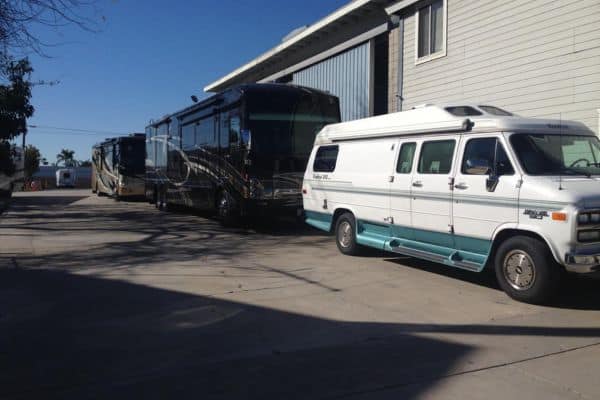
We name the system on your coach, test it on shore power and on the generator, measure airflow at the registers, read the run capacitors and the compressor's amp draw under load, and check for refrigerant loss only when the symptoms point that way.
You get a written estimate that names the parts and the labor before we begin. Our estimates include a budget for parts, and the final price adjusts to the actual parts used, so you approve the number first. We make the repair, run the unit until the cabin pulls down to spec, and confirm it holds.
The McBride's difference
Family-owned since 1967, McBride's is a factory-authorized service center for Dometic and Coleman, with RVIA-trained technicians and a full RV shop behind the bay. We work the A/C alongside the roof it sits on, the refrigerator that shares the same 105F afternoon, the Aqua-Hot or water heater that runs the winter side, and the chassis underneath, so one heat-soak issue does not put you in three different shops. And we show you the problem before we fix it.
Frequently Asked Questions
How much does RV air conditioning repair cost?
A capacitor, a thermostat, or a cleaned-and-tested fan motor is the affordable and most common repair; a full unit replacement on a sealed-system failure is the high end. Every estimate names a parts budget that adjusts to the actual parts the system needs, and nothing is done until you approve the number.
My A/C runs but the cabin will not get cold on a hot day. Is it broken?
Often not. A roof-mount RV A/C can only pull the cabin about twenty degrees below the outside temperature, so a closed coach in 105-degree Chino sun is at the unit's physical limit. We confirm airflow, refrigerant indications, and capacitor health before naming a repair, and tell you straight if the unit is doing its job.
Why does my RV A/C freeze up and lose airflow?
A frozen evaporator is almost always a low-airflow problem: a clogged return filter, a dirty evaporator coil, missing baffles in the ceiling assembly, or a thermistor reading wrong. We clean the coil, restore airflow, and verify the controls before condemning the compressor.
Can you service Dometic and Coleman RV air conditioners?
Yes. McBride's is a factory-authorized service center for Dometic and Coleman, the two units in most Inland Empire motorhomes and travel trailers, and we work the controls, capacitors, fan motors, shrouds, and ducting on both.
My generator drops out when I turn on the second air conditioner. Is it the A/C?
Usually it is the inrush current as the second compressor starts. A hard-start kit on each A/C smooths that startup so the generator can hold both compressors. If the generator still drops out after that, the generator side needs service, not the A/C.
Should I replace a rooftop A/C with a heat pump model?
Sometimes. A heat-pump roof unit gives you a useful shoulder-season heat source on a coach without Aqua-Hot, and most Inland Empire trips never see the cold weather where a heat pump stops being efficient. We lay out the BTU, weight, and power-draw differences against your existing wiring and generator capacity so the choice makes sense for the rig.
When a rooftop unit is past repair, the replacement has to match the roof opening and the power available. See RV appliance installation and upgrades.
Hear From Our Satisfied Customers


They are always professional, courteous and they have resolved any and every issue I had.







Our service areas
- Norco
- Corona
- Rancho Cucamonga
- Pomona
- Walnut
Schedule your RV air conditioning service
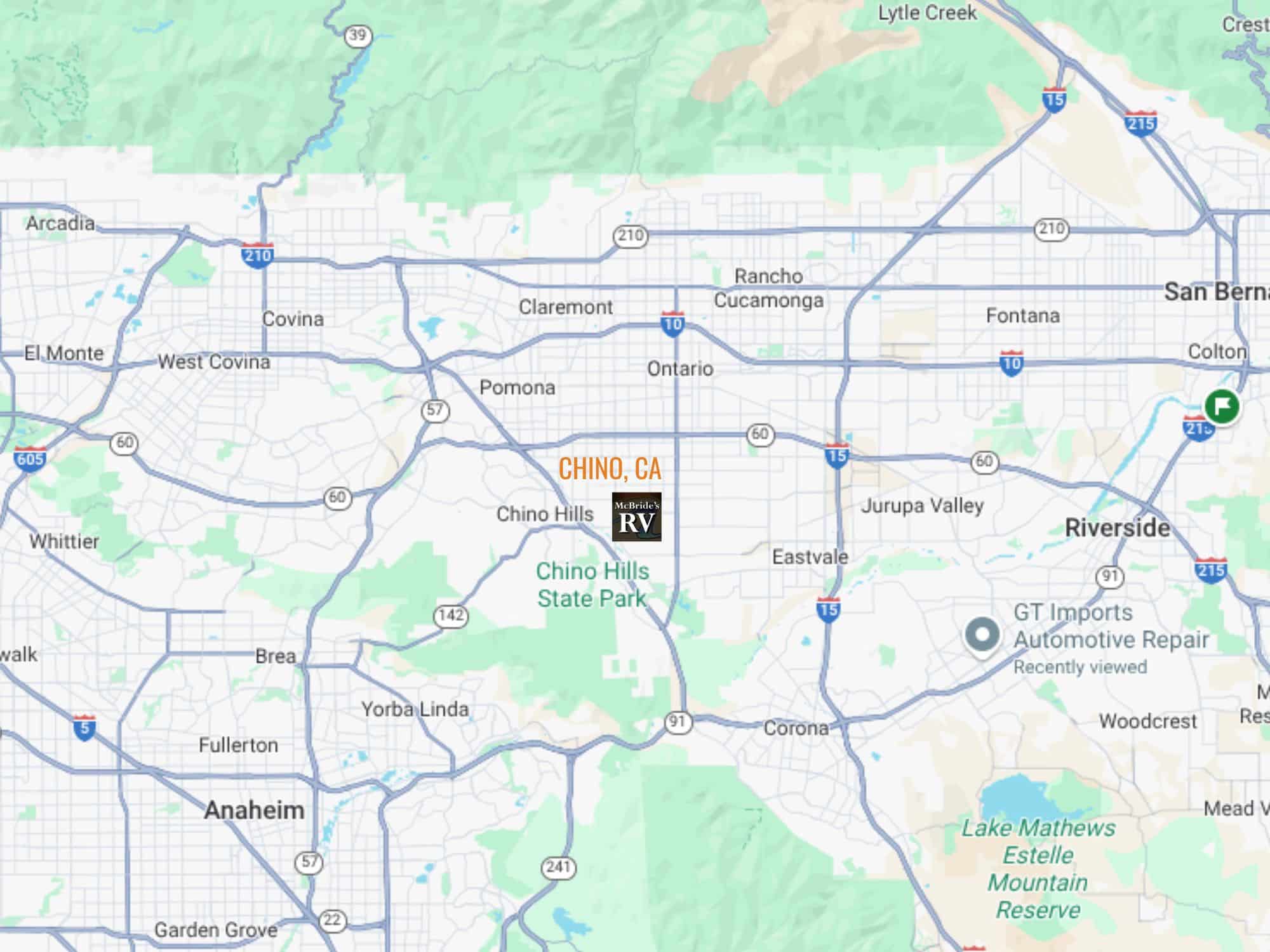
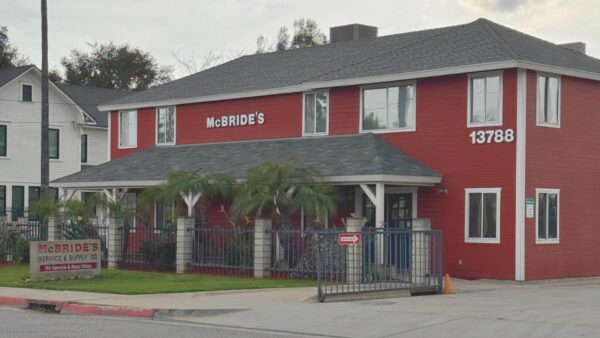
Call (909) 627-7566 or request an appointment online. We are located at 13788 Oaks Ave in Chino and serve RV owners across the Inland Empire.